Technical Inspection and Building Audit in Mauritius
An independent inspection before you buy, lease or renew tells you what the building will actually cost you. BFC Ltd inspects, then reports in plain language with priorities and indicative costs.
What we deliver
- Pre-purchase and pre-lease building inspection
- Structural condition assessment and defect diagnosis
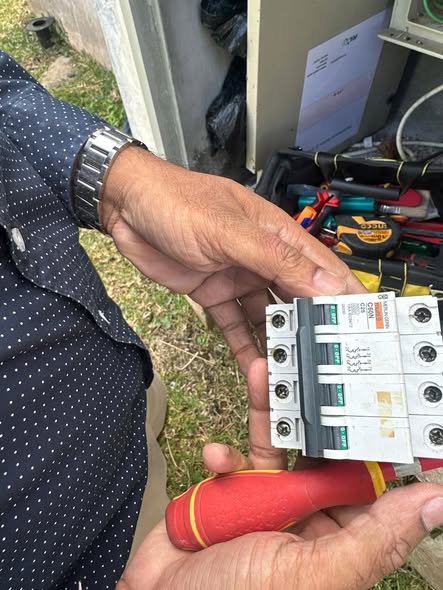
- Electrical and mechanical system review
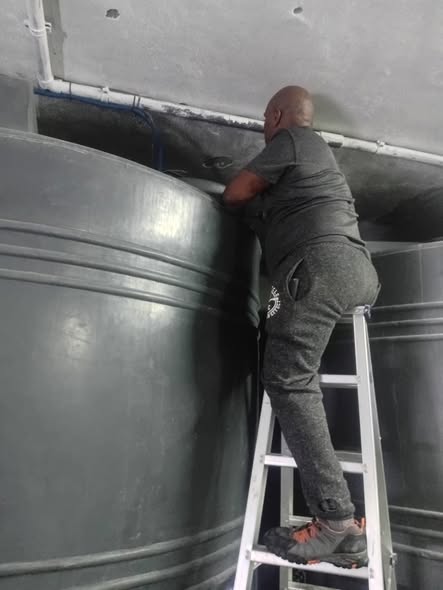
- Water ingress and waterproofing investigation
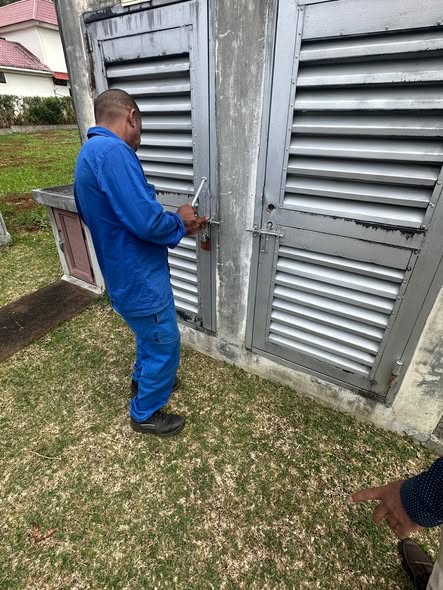
- Safety and compliance gap analysis
- Written report with a prioritised remedial plan
How we work
Common findings on the island include reinforcement corrosion and concrete spalling, failed roof waterproofing, undersized or overloaded electrical distribution, and drainage that was altered without anybody updating the falls. All of these are much cheaper to find before contracts are signed.
The report separates what is urgent and safety related from what can be planned over the next few years, so it can be used directly in a negotiation or a maintenance budget. We are happy to inspect works carried out by others.
What a condition survey should tell you
A useful technical report answers three questions: what is wrong, how urgent is it, and what will it cost to put right. Reports that stop at the first question leave you no better off. Ours identify each defect, say what caused it, rank it by urgency and safety, and attach an indicative cost so the findings can go straight into a budget or a negotiation.
We are asked to do this most often before a purchase or lease, before taking over a building under a facilities contract, when a dispute arises over workmanship, and when an owner simply wants a five-year picture of what is coming. In Mauritius the recurring findings are predictable: failed or patched waterproofing on flat roofs, spalling concrete with corroding reinforcement on balconies and parapets, distribution boards extended beyond their original design, air-conditioning that has been topped up rather than repaired, and drainage that was never resized after an extension.
What an inspection report actually contains
A report that is only a list of opinions is of no use to anyone. Ours records what was inspected and what was not, and why; the condition of each element with photographs referenced to a location; readings and test results where instruments were used; the defects found, each with a probable cause rather than only a symptom; and an indication of what it would take to put each one right. Where a defect needs opening up or specialist testing before it can be diagnosed honestly, we say so rather than guessing. The report is written so that a facilities manager can act on it, a board can budget from it, and a lawyer can read it without needing us in the room.
How we grade what we find
Every defect is graded so that a long list becomes a plan. Items that present a safety or statutory risk are separated and reported immediately rather than waiting for the document. Items that are actively causing damage, typically water ingress, come next, because their cost grows every month they are left. Then come items that should be planned into a maintenance programme or a budget cycle, and finally items worth monitoring rather than spending on today. That grading is what lets you spend the first rupees where they prevent the most damage instead of on whatever was most visible on the day of the visit.
When an audit pays for itself
The usual triggers are a change of responsibility or a change of risk: before signing or renewing a lease, before buying, when taking over a building with no maintenance history, at the end of a tenancy where dilapidations are in dispute, after a cyclone or a significant leak, before committing to a maintenance contract on plant of unknown condition, and when a recurring fault has been repaired several times without anyone establishing why it keeps coming back. In each of those cases the value is the same: a documented, dated, photographed baseline that turns an argument about opinions into a discussion about evidence.
Related reading
Checking a contractor before you award work is covered in CIA contractor registration explained.
Recent work
Coverage across Mauritius
BFC Ltd operates from Quatre Bornes and carries out technical inspection and building audits island wide, covering Port Louis, the central towns of Curepipe, Rose Hill, Vacoas and Phoenix, the north and the coastal districts. Commercial, industrial, retail and residential properties are all served.
Frequently asked questions
What do I actually receive?
A written report with photographs, a schedule of defects with cause and urgency, indicative costs for remedial work, and a prioritised action list. If you need it structured for a lender, insurer or legal process, tell us at the outset.
Do you inspect before I buy or lease a property?
Yes, and it is one of the most common reasons clients call us. A pre-purchase or pre-lease survey usually pays for itself several times over in either the price negotiated or the repairs avoided.
Will you also carry out the repairs you identify?
We can, and many clients prefer that continuity. If you would rather keep inspection and repair separate for independence, we are equally happy to hand the report over and leave the works to others.
Planning technical inspection and building audits in Mauritius. Send us the site location, the scope of works and your timeline, and we will come back with a written quotation.
Or call and WhatsApp +230 5724 5224