Plumbing Works in Mauritius
BFC Ltd handles plumbing from leak detection and repair through to complete pipework installation, for homes, offices, retail units and industrial sites across Mauritius.
What we deliver
- Leak detection, tracing and pressure testing
- Pipe repair, replacement and re-routing
- PVC and PN16 pressure pipework installation
- Drainage, waste pipework and soil stacks
- Water tanks, pumps and booster sets
- Sanitaryware, kitchen and bathroom fit-out
How we work
A hidden leak in a slab or a wall does more damage to finishes than it does to the pipe. We trace before we break out, so the repair stays small and the making good is limited to the area that actually needs it.
On new work we specify pipework to suit the pressure and the water quality on site, label and route it so it can be maintained later, and pressure test before anything is closed up.
Leaks in concrete: how we find them
Most Mauritian houses and apartment blocks are concrete, with pipework cast into slabs and walls. That makes a hidden leak expensive to guess at, so we do not guess. We isolate sections and pressure-test them to prove which run is losing water, use acoustic and moisture tracing to narrow the position, and only then open the smallest possible area of finish. Opening one tile instead of a whole bathroom floor is usually the difference between a day's work and a fortnight's.
On new work and on replacements we specify pipework rated for the pressure and temperature it will actually see, run isolating valves at sensible points so a future repair does not mean shutting down the whole building, and pressure-test before anything is closed up. Water tanks, booster pumps and pressure vessels are checked as a system, because a pump that short-cycles will destroy joints that were otherwise fine.
Tanks, pressure and water quality
Poor pressure upstairs, air in the pipework and taps that vary through the day usually point at the storage and boosting arrangement rather than at the taps. We check tank level controls and float valves, inspect the tank interior and seals, verify that the booster set builds and holds pressure without short-cycling, and check pressure reducing valves where the incoming supply is high enough to damage fittings and appliances. Tanks that have not been opened in years are cleaned and resealed. Where water hammer is shaking the pipework, the cause is usually a fast-closing valve or an unrestrained run, and both are cheaper to fix than the joints they eventually break.
Drainage and what actually causes the blockages
Most blocked drains in commercial buildings are caused by what goes into them: kitchen fats that cool and set, wipes and sanitary items in WC branches, and construction debris left in the line during earlier works. Outside, silt and leaf litter fill gullies and channels between cyclones. We clear the blockage, then look for the reason it happened, because a line that blocks every few months has a fall, a fitting or a usage problem behind it. Where a drain runs slow rather than blocking outright we check falls and venting; a poorly vented stack empties slowly and gurgles, and no amount of rodding will change that.
Materials, and why the choice matters here
Humidity, salt-laden air and hard water shorten the life of the wrong material quickly. Galvanised steel that has been in the ground for decades corrodes from the inside and is better replaced than patched. Plastics are appropriate in most cold water and drainage applications provided the correct grade and jointing method are used and the run is properly supported. Copper still earns its place on hot water and in exposed plant areas. Brass and stainless fittings outlast plated pot metal in coastal properties by years. When we quote a repair we say which material we intend to use and why, so that the cheaper option is a decision you make rather than one you discover later.
What our clients say
“We had a hidden water leak underneath our concrete floor slab that was causing dampness on the walls. Previous handymen wanted to break up the entire tiled area. BFC Ltd used pressure testing and acoustic tracing to pinpoint the exact location, opening only a single tile to fix the PN16 pressure pipe. Their technical precision saved us thousands in unnecessary floor restoration costs.”
Related reading
Where a planned programme beats waiting for the next leak is set out in AMC versus reactive maintenance.
Recent work
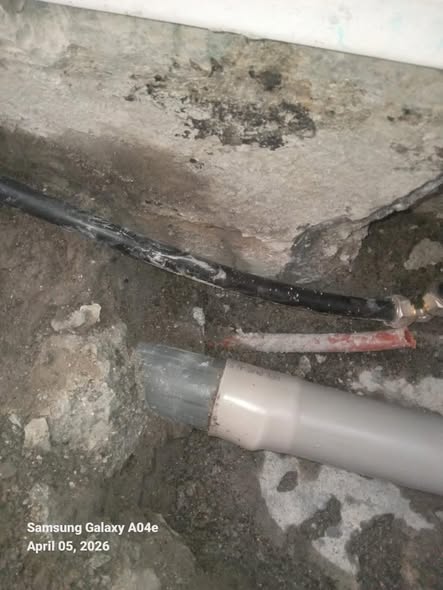
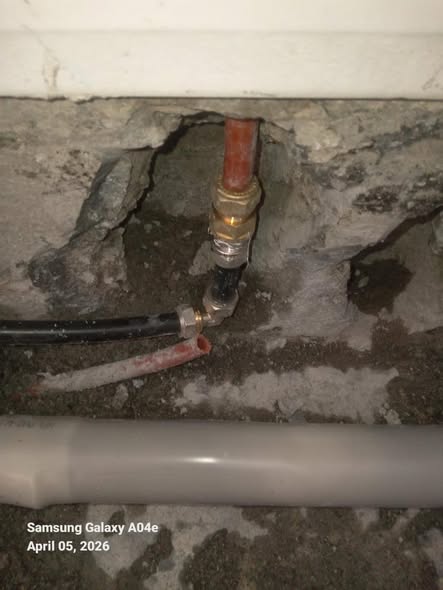
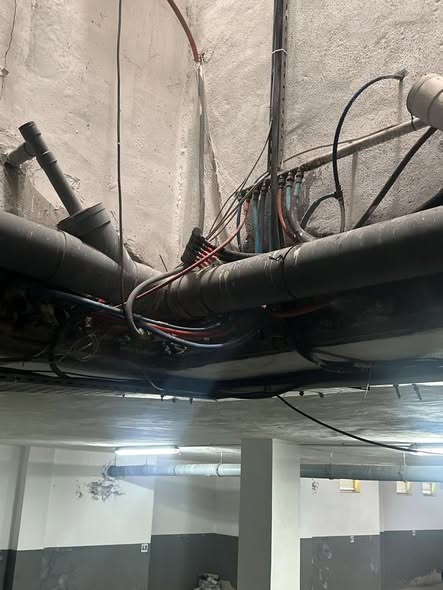
Coverage across Mauritius
BFC Ltd operates from Quatre Bornes and carries out plumbing works island wide, covering Port Louis, the central towns of Curepipe, Rose Hill, Vacoas and Phoenix, the north and the coastal districts. Commercial, industrial, retail and residential properties are all served.
Frequently asked questions
Can you find a leak without breaking up the whole floor?
Usually, yes. By isolating and pressure-testing sections we can prove which pipe run is leaking, then trace the position before opening anything. The aim is always the smallest opening that lets us make a proper repair.
Our water pressure is poor upstairs. Can that be fixed?
Often it can. Poor upstairs pressure is normally either a tank sited too low, undersized pipework, a partially blocked run, or a booster pump that is failing or wrongly set. We test the system rather than replacing parts speculatively, then quote the fix.
Do you handle drainage and septic issues as well as clean water?
Yes. We rod and clear blocked drains, replace failed underground runs, rebuild inspection chambers and deal with soakaway and septic problems, which are common where drainage was never sized for later extensions.
Planning plumbing works in Mauritius. Send us the site location, the scope of works and your timeline, and we will come back with a written quotation.
Or call and WhatsApp +230 5724 5224